April 3, 2025

Advocay Climate Change Education Peace Building

DAREM FACILITATED A DIALOUGUE BETWEEN LOCAL AUTHORIES, TRADITIONAL LEADERS, AND INDIGENOUS WOMEN TO PROMOTE THE INCLUSION OF WOMEN IN DECISION MAKING AND GOVERNANCE BODIES

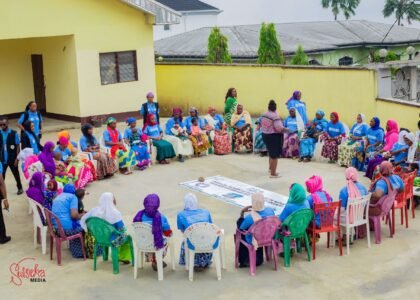
On March 2, 2025, at the Islamic Secondary School in Buea Town, DAREM facilitated a significant dialogue between local authorities and indigenous women on “The inclusion of women in decision-making and governance bodies in the Southwest region”. This dialogue aimed at bringing out the roles of women in shaping community policies and promoting sustainable development. Participants engaged in meaningful discussions, sharing strategies to further promote women’s representation and participation in local governance, leadership and decision-making processes.

Advocay Climate Change Economic Empowerment Education Human Rights Peace Building

DAREM PROVIDES MENTORSHIP AND COACHING TO INDIGENOUS WOMEN IN GOVERNANCE ROLES TO ENHANCE THEIR CAPACITY FOR EFFECTIVE DECISION-MAKING IN TOLE, MUEA, AND BUEA TOWN COMMUNITIES

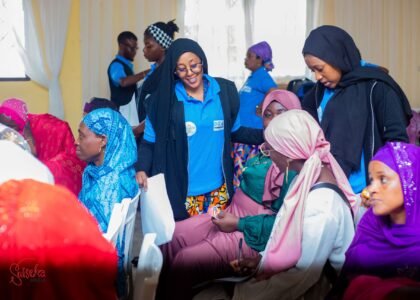
As part of its commitment to strengthening indigenous women’s participation in governance, DAREM organization, with funding from ALVF Cameroon, recently conducted a mentorship and coaching program for 60 indigenous women across Tole, Muea, and Buea Town communities. This initiative aimed to enhance their leadership, advocacy, and governance skills, equipping them to take on active roles in decision-making and community development.
The program provided a safe space for dialogue, experience-sharing, and skill-building. Participants received guidance on navigating governance structures, engaging in advocacy, and promoting sustainable resource management. Many of the women had never received formal governance training before and expressed enthusiasm about applying their newfound knowledge to their communities.
One participant, a farmer from Tole, shared: “For years, we have been excluded from decisions about our land and water. Now, I realize we have the power to influence policies if we unite and raise our voices.” Another woman, previously hesitant about leadership, remarked: “I used to believe governance was for men. Now, I am ready to challenge unfair policies and demand representation.”
Through mentorship from experienced indigenous women leaders and environmental activists, participants gained practical insights and strategies to overcome barriers in governance. Some women committed to forming local advocacy groups to sustain their efforts beyond the training.
DAREM organization remains dedicated to supporting indigenous women in governance by providing continuous training, mentorship, and advocacy opportunities to ensure their voices are heard in decision-making processes.
Economic Empowerment Education Peace Building

DAREM ORGANIZATION LAUNCHES A PROJECT TO STRENGTHEN INDIGENOUS WOMEN’S ROLES IN NATURAL RESOURCES GOVERNANCE AND PEACEBUILDING

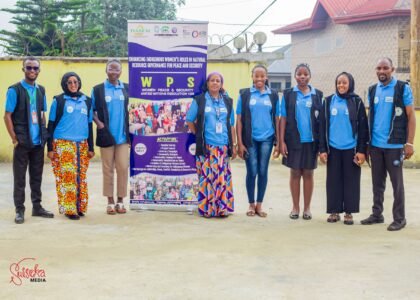
On February 19, 2025, DAREM NGO launched its groundbreaking project to enhance indigenous women’s roles in natural resources governance for peace and security in Cameroon’s West and Southwest regions. Funded by ALVF Cameroon, the initiative seeks to empower women through leadership training, governance advocacy, and conflict resolution. A highlight of the workshop was a drama performance where two women fought over water scarcity, illustrating real-life struggles in resource management. The session sparked deep reflections, with participants gaining skills to advocate for their rights and mediate conflicts. As one woman declared, “We are no longer just caretakers of the land, we are decision-makers.”

Climate Change Education Human Rights Peace Building

DAREM NGO CONDUCTS BASELINE SURVEY ON ENHANCING INDIGENOUS WOMEN’S ROLES IN NATURAL RESOURCES GOVERNANCE FOR PEACE AND SECURITY

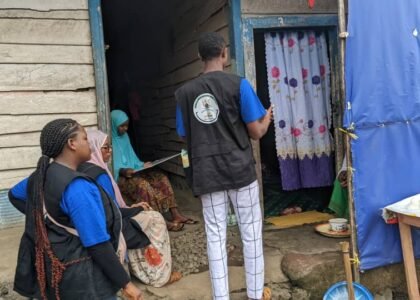
Indigenous women in Cameroon’s West and Southwest regions play a vital role in natural resource management, yet their contributions often go unrecognized in governance structures. To address this gap, DAREM NGO, with funding from ALVF Cameroon, conducted a baseline survey to assess the challenges and opportunities for enhancing women’s participation in environmental decision-making. The findings revealed systemic barriers, including limited access to land rights and exclusion from policy discussions, but also highlighted the strong traditional knowledge and leadership potential of indigenous women. This project seeks to empower them through capacity-building, advocacy, and inclusive governance frameworks, fostering both sustainable resource management and long-term peace in their communities.