WHEN WOMEN AND GIRLS SPEAK, COMMUNITIES TRANSFORM
Listening as a First Step to Change This past Saturday, the DAREM-PEI team, with support

PEI
Listening as a First Step to Change This past Saturday, the DAREM-PEI team, with support
Indigenous women and girls in Cameroon, especially the Mbororo community, face multiple layers of discrimination that place them at higher risk of gender-based violence (GBV). According to UN Women, nearly 56% of women in Cameroon have experienced some form of physical or sexual violence in their lifetime, while indigenous women are disproportionately affected due to limited access to justice, education, and protection services. In response, DAREM, in partnership with UNFPA, has launched the project “From Margins to Mainstream: Building Resilience Among Indigenous Mbororo Women and Girls for Effective and Collective Action Against GBV in Bangem Subdivision.” This initiative is working to shift the narrative by creating safe spaces, strengthening resilience, and building collective action.
In Cameroon, women and girls particularly those from indigenous communities face overlapping challenges of gender-based violence (GBV), displacement, and exclusion from decision-making spaces. Yet, their resilience and leadership remain vital to peacebuilding and community transformation. With support from UNFPA and partners, DAREM is launching a new initiative to ensure that indigenous women and girls move from the margins to the mainstream as active actors in peace consolidation and GBV prevention.
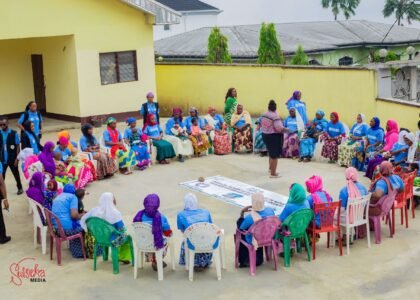
On March 2, 2025, at the Islamic Secondary School in Buea Town, DAREM facilitated a significant dialogue between local authorities and indigenous women on “The inclusion of women in decision-making and governance bodies in the Southwest region”. This dialogue aimed at bringing out the roles of women in shaping community policies and promoting sustainable development. Participants engaged in meaningful discussions, sharing strategies to further promote women’s representation and participation in local governance, leadership and decision-making processes.
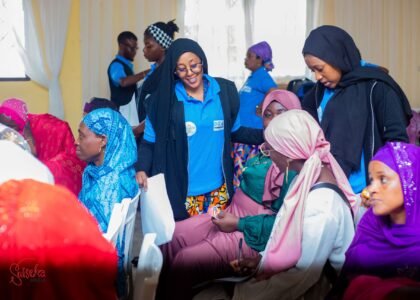
As part of its commitment to strengthening indigenous women’s participation in governance, DAREM organization, with funding from ALVF Cameroon, recently conducted a mentorship and coaching program for 60 indigenous women across Tole, Muea, and Buea Town communities. This initiative aimed to enhance their leadership, advocacy, and governance skills, equipping them to take on active roles in decision-making and community development.
The program provided a safe space for dialogue, experience-sharing, and skill-building. Participants received guidance on navigating governance structures, engaging in advocacy, and promoting sustainable resource management. Many of the women had never received formal governance training before and expressed enthusiasm about applying their newfound knowledge to their communities.
One participant, a farmer from Tole, shared: “For years, we have been excluded from decisions about our land and water. Now, I realize we have the power to influence policies if we unite and raise our voices.” Another woman, previously hesitant about leadership, remarked: “I used to believe governance was for men. Now, I am ready to challenge unfair policies and demand representation.”
Through mentorship from experienced indigenous women leaders and environmental activists, participants gained practical insights and strategies to overcome barriers in governance. Some women committed to forming local advocacy groups to sustain their efforts beyond the training.
DAREM organization remains dedicated to supporting indigenous women in governance by providing continuous training, mentorship, and advocacy opportunities to ensure their voices are heard in decision-making processes.
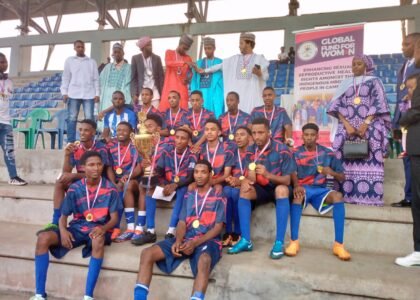
On February 1, 2025, the Buea Town Stadium became more than just a football ground—it became a platform for change. Organized by DAREM NGO and funded by the Global Fund for Women, the “Kick Off for Change” tournament brought together Mbororo boys and men to tackle the pressing issues of Gender-Based Violence (GBV) and Sexual and Reproductive Health Rights (SRHR).
In an electrifying match, Mbuscuda FC claimed victory over Laverie FC with a 4-0 win, but the real triumph came after the final whistle. Players and spectators engaged in a powerful discussion about men’s role in preventing GBV, supporting reproductive rights, and redefining masculinity. As one participant noted, “Today, it wasn’t just about winning a match; it was about winning a conversation our community has avoided for too long.”
This event was more than a game, it was a call to action. DAREM NGO continues to champion initiatives that challenge harmful norms and empower men to be allies in the fight for gender equality. Are you ready to kick off for change?
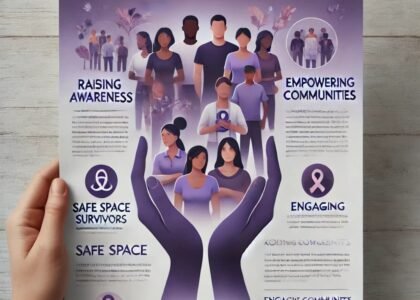
Domestic violence remains a hidden crisis, silenced by fear and stigma, yet its impact ripples through individuals, families, and communities. At DAREM NGO, we are breaking the silence by raising awareness, providing safe spaces for survivors, and challenging harmful norms through community engagement.
“When a survivor suffers, the entire community feels the weight of their pain.” – DAREM Gender Officer
Through education, empowerment, and advocacy, DAREM is working to end domestic violence and create safe, inclusive communities where everyone can thrive.
Read the full article to learn how we can tackle this silent epidemic together.
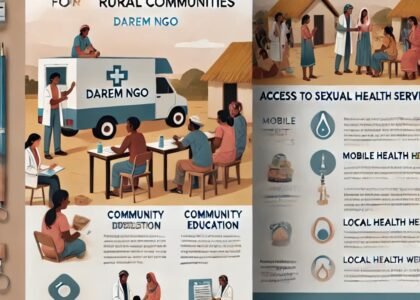
Rural communities face significant challenges in accessing sexual health services, from geographical barriers and cultural stigmas to limited resources and low awareness. At DAREM NGO, we are committed to addressing these issues through innovative solutions like mobile health clinics, community education, and training local health workers.
“Knowledge is the first step to empowerment. Once people understand their rights, they demand better services.” DAREM Program Coordinator
By breaking stigmas and bringing essential care closer to those in need, we’re empowering individuals to take charge of their health and well-being. Together, we can create a future where quality sexual health services are accessible to all.
Read the full article on how DAREM is bridging the gap in rural communities.
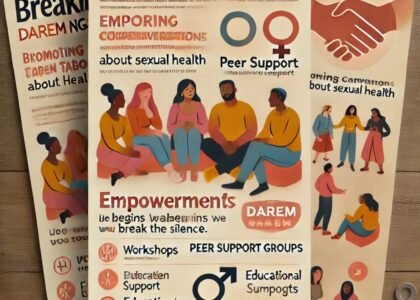
Sexual health is a vital part of overall well-being, yet discussions around it remain taboo in many communities. For organizations like DAREM NGO, addressing this issue is crucial to empower individuals, reduce stigma, and ensure everyone has access to accurate information and supportive resources.
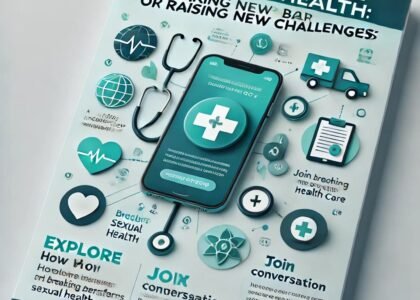
In a world rapidly embracing digital transformation, telemedicine has emerged as a revolutionary tool for improving healthcare accessibility. For sexual health services, particularly in rural or underserved regions, this innovation holds immense promise
Recent Comments